Covering –
Bluetooth makes room for lossless audio
Bluetooth Core 7.0 raises the ceiling for wireless audio, Pro Tools adds session-wide extensions, and Adobe brings major-label licensing into the mobile edit.
What fits between a phone and a pair of headphones?
A headphone buyer can check the number on the box. The hard part is knowing what the phone on the other end can send.
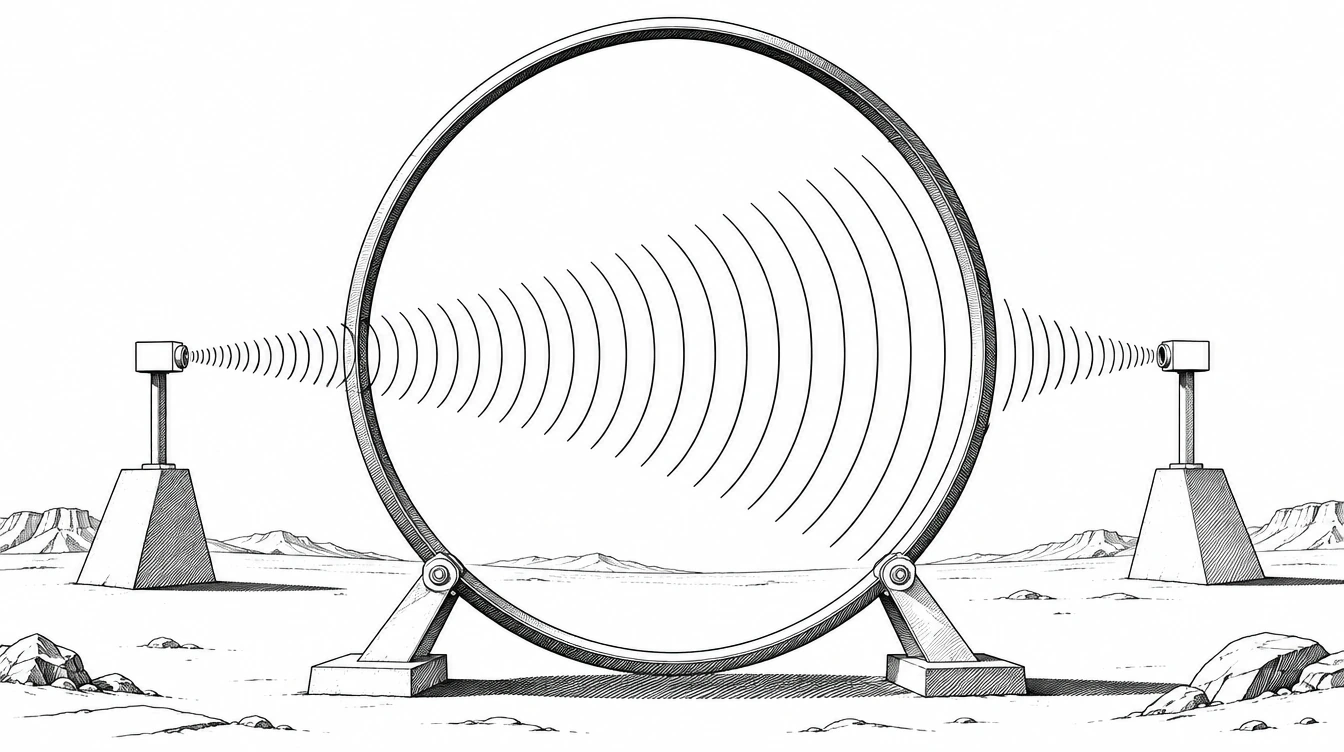
On November 4, the Bluetooth SIG announced adoption of High Data Throughput, an optional feature in Bluetooth Core 7.0. The new Bluetooth LE physical layer supports a maximum bit rate of 7.5 Mbps, versus 2 Mbps for the existing LE 2M PHY. That number describes the radio link. It leaves room for more audio data, but usable application throughput will vary with overhead and radio conditions. The SIG expects its first standardized premium audio application in 2027, with lossless and high-resolution audio among the target uses. For device makers, the next milestones are an audio specification and support on both ends of the link. A Core 7.0 label alone gives buyers no guarantee of HDT support.
Bluetooth SIG announcement, Nov 4
Take stereo PCM at 24 bits and 96 kHz. Before compression, that is 24 bits × 96,000 samples per second × two channels, or 4.608 Mbps. That figure already exceeds the older radio’s maximum. HDT gives a future audio profile a larger budget. How that profile spends it on music, error protection and retransmissions is the next engineering decision.
Oticon adds an Auracast receiver to the US veterans’ contract.
The VA contract now includes Oticon Reveal, a hearing aid that supports Bluetooth LE Audio and Auracast broadcasts. That gives an eligible wearer with compatible equipment a way to tune into a venue’s shared audio feed. Oticon says its two processing systems also work together on everyday sound, one enhancing speech and the other retaining the sounds around it.
Sennheiser separates two problems in car audio.
On November 6 it introduced Scenico, software that uses a dashboard speaker array to widen the shared soundstage, and Polifonia, which uses headrest speakers and cancellation to reduce spill between seats. Keeping navigation audible to the driver while passengers play other content is one proposed use. These are technology demonstrations for automakers.
Give the session a stereo file. Get six faders back.
A producer with one stereo bounce wants to pull the guitar down. An insert effect has the mixed signal in front of it. What the producer needs is another track.
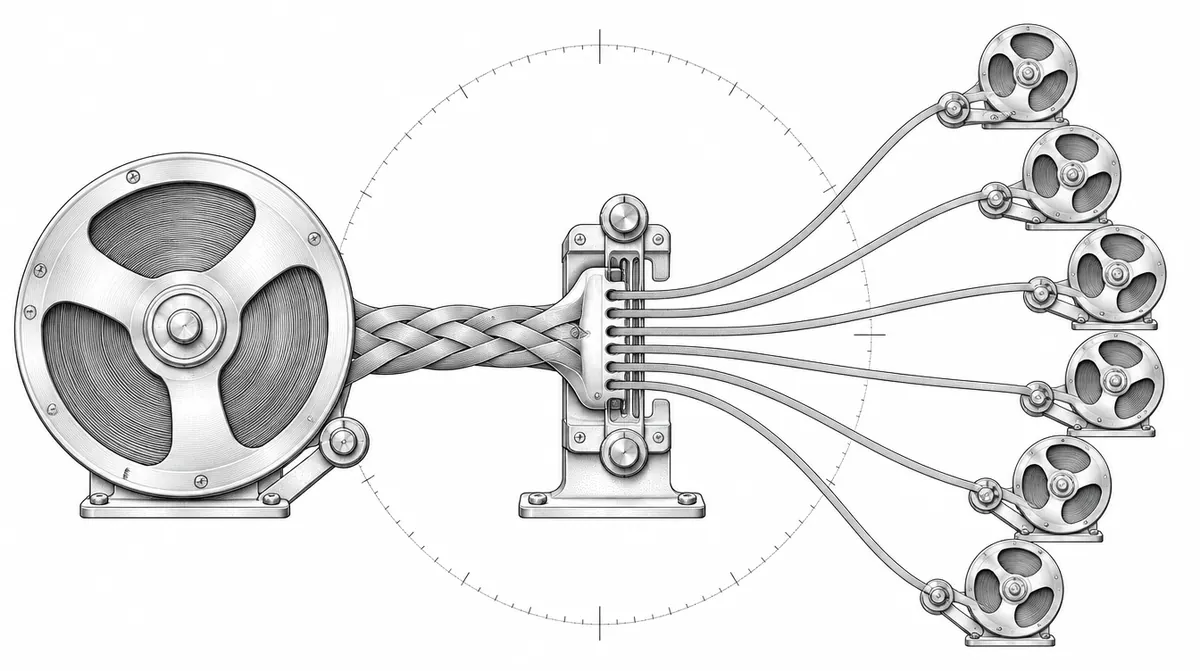
Avid announced Pro Tools 2026.11 on November 5. Its Extensions format can operate across tracks or whole sessions, which gives sound libraries and automation tools a path into the editing workflow. Avid's own Stem Separator runs locally and brings up to six separated parts back as tracks. It is available in the free Intro edition. The release also adds MIDI Polyphonic Expression, which lets compatible instruments respond to expression independently for each note.
With Avid’s Stem Separator, the editor drags in the recording, auditions the parts, then sends vocals, drums, bass, guitar, keys and the remainder back into the session. Soundly and Pro Sound Effects use the same Extensions format to bring libraries into the Edit window. The session can receive something new, whether it is an estimate of the original guitar part or a sound the editor found in a library.
Allen & Heath puts a 96 kHz mixer into nine faders.
Announced November 4, the Qu-3 and Qu-3D both offer 36 inputs including two stereo inputs, a 32×32 USB-C interface and SD multitrack recording. The Qu-3D adds 16×16 Dante, expandable to 32×32. The design gives installations and small production desks the same processing platform as larger Qu models. Operators access inputs across six fader layers.
An open stem corpus makes supervised separation easier to study.
The November 6 SPDMX preprint describes 5,469 song-hours rendered from public-domain scores, including 2,734 multitrack song-hours. The corpus pairs rendered audio with MIDI and is released under CC BY 4.0. Its scale helps with training and reproducibility. Performance on real sessions still needs separate evaluation.
Audacity restores automatic saves during recording.
Audacity 4.0.2 also fixes corruption when copying between projects and a problem that could change pitch or lose a clip when it moved to a track at a different sample rate. An editor assembling a programme from field recorders set to different rates has a concrete reason to take the patch.
ZL Splitter changes the crossover in an existing session.
Version 0.4.0 of the splitter plug-in changes the filters that divide low and high frequencies and fixes a bypass-delay error when the FIR crossover frequency moves. ZL Audio suggests loading the update in an empty session first. A mixer recalling a master that depends on the old crossover has good reason to listen to both renders.
A minute of music comes with conditions
A song can be the right length for a cut and the wrong licence for the client. Premiere mobile is about to make that distinction part of choosing a track.
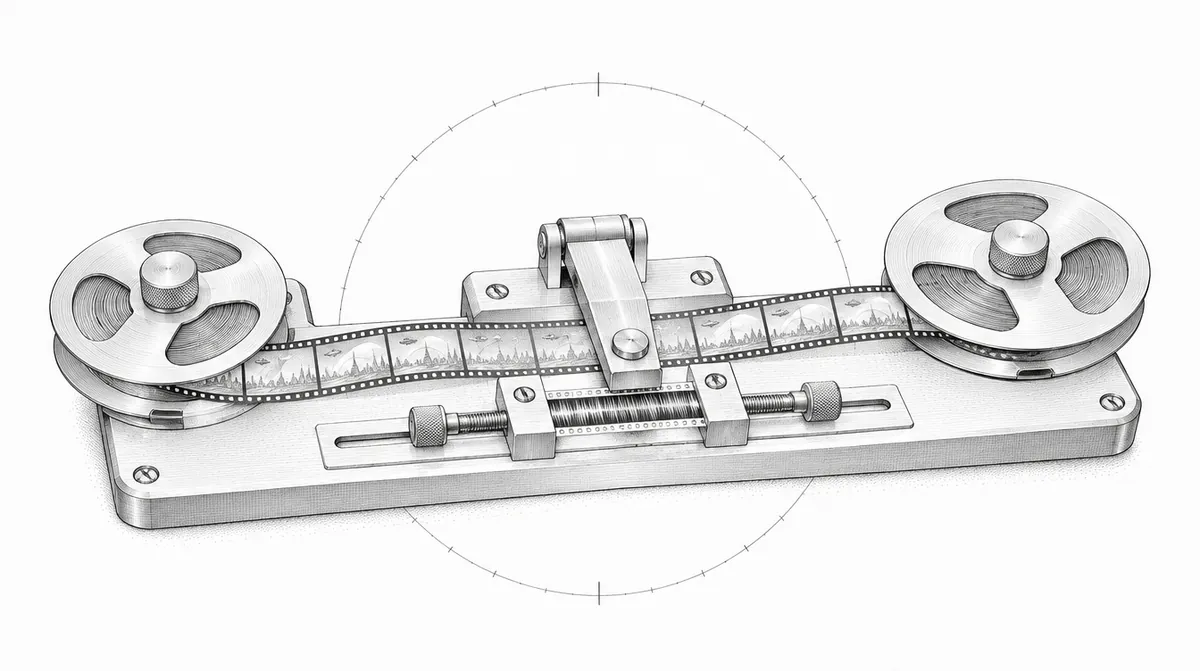
Its November 3 announcement with Universal Music Group and Warner Music Group describes up to 60 seconds of a track in Premiere mobile, for personal, non-commercial use on licensed platforms. The feature was described as forthcoming. Editors making commercial work still need an appropriate license.
Adobe says an editor will be able to search by artist or duration, audition a clip and cut to it before export. For a personal video, that removes a round trip to a social app to attach the song. If the client commissions the same cut for an ad, the track has to be cleared for commercial use. Adobe points those customers to Stock Audio.
A record royalty total includes a change in what gets counted.
CISAC's November 4 report puts 2025 creator collections at €15.5 billion, up 11.3%. It includes figures from the U.S. Mechanical Licensing Collective for the first time. Those figures account for about 52% of the reported increase, a material difference when comparing the total with 2024.
ElevenMusic sends an original track straight to SoundCloud.
Link a SoundCloud account, add a description, genre and tags to an original ElevenMusic track, and the integration uploads it to the creator’s profile. That saves a file export and a second round of metadata entry.
Speech benchmarks add Egyptian and Nigerian English.
On November 6, the Open ASR Leaderboard added about 2.9 hours of spontaneous conversation across these two accents through a collaboration with Liva AI. The tests are private to reduce the chance that models trained on public data have already seen them. Accent-specific results give teams another check before trusting a headline error rate.
Deepgram changes the default level of its generated voices.
Flux TTS now normalizes loudness on its speech endpoint. A quieter voice in an existing production may come back louder on the next render. Teams that need to match already recorded lines can request normalize_volume=false to keep the old behavior.