Covering – 2026
ElevenLabs and Mistral extend real-time voice
Two approaches to shipping voice agents, direct Zoom imports for podcast post-production, and an accessibility milestone for Bluetooth broadcast audio.
Who gets to end the turn?
A caller takes a breath halfway through a booking reference. The speech recognizer can have every digit right and the agent can still interrupt at precisely the wrong moment.
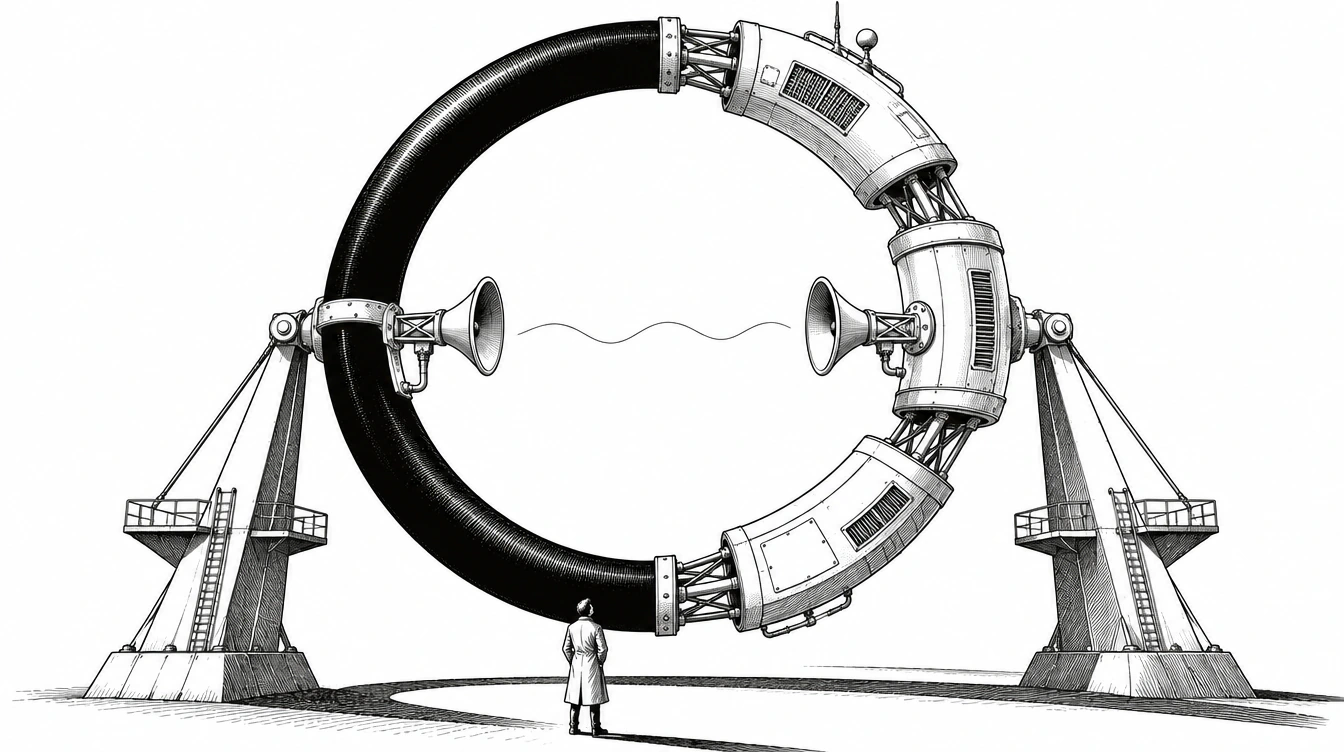
On 20 October, ElevenLabs and Mistral offered two ways to put that conversation into a product. A team that already uses a Realtime client can try the ElevenLabs models through the same interface. A team that needs to run the audio on its own machines has a different starting point in Voxtral 3.
ElevenLabs Realtime v1 Mini and Max accept speech and return speech under one model ID. Inside, the company tunes recognition, language processing and synthesis together. It positions Mini for simpler conversations and Max for heavier reasoning and tool use. Its WebSocket API follows the OpenAI Realtime specification.
Its lineup includes separate transcription and synthesis models and an SDK for assembling voice agents. Mistral offers an EU-hosted API endpoint and a self-deployment option. The releases put two decisions in view for teams building with voice. One is how much of the speech pipeline to manage directly. The other is where to process the audio. End-of-turn detection and what happens when a caller interrupts are useful to test on the eventual phone or browser connection.
Mistral announcement Dated model record
Mistral listed the family as a public preview on 20 October.
Deepgram confirms the vocabulary change during a call.
An agent taking a booking can add a guest’s surname to Nova-3 while the stream is open. A successful configuration response now lists the active keyterms. The same mechanism works on the EU, Australian and Indian regional endpoints and the global one.
Deepgram expands Nova-3 multilingual transcription to 55 languages.
The new model serves the existing multilingual API requests for prerecorded and streaming audio. The same update gives Flux TTS 41 additional languages.
Spotify starts rolling out Memberships in 34 markets.
Eligible shows hosted with Spotify for Creators or Megaphone can sell tiers that include audio, video, or archive access. Publishers can export contact information from listeners who choose to share it.
The beatgrid follows the drummer.
Put a dance track over a live drummer and listen for the moment the two kicks stop landing together. A single tempo for the whole record only gets you so far.
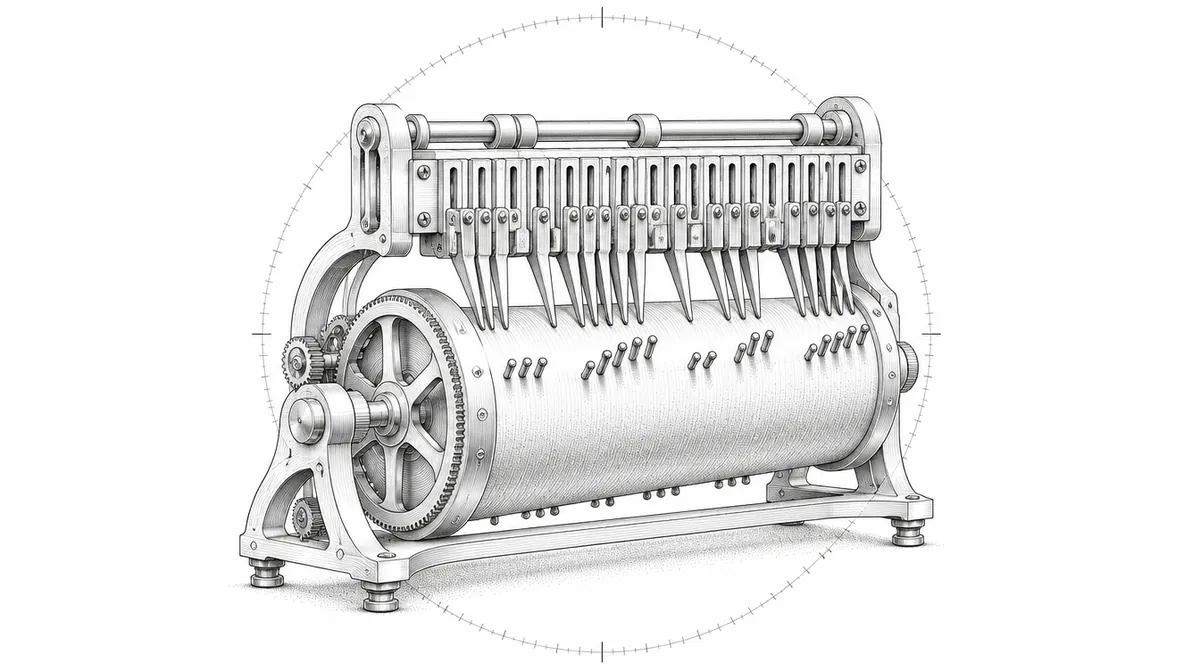
The new beatgrid engine follows tempo changes through a track, which can reduce manual grid edits on live recordings and older drum performances. The release also lets DJs use multiple streaming services in the same set. Serato’s announcement went live on October 20 in New Zealand, at 11:16 a.m. Pacific on October 19.
Serato announcement 5.0.0 release notes
In Serato’s flexible mode, the analysis can space the beat markers farther apart for a slower bar and closer together when the drummer pushes. The markers give sync, loops and beat-timed effects a map of the performance. A DJ who hears a misplaced beat can move it within the bar. Applying the new analysis to old crates takes a fresh pass over those tracks.
Fixed and flexible grids Serato’s editing and re-analysis notes
Nomono puts the sound of the room on a fader.
In a video interview shot in a café, perfectly dry dialogue can make the picture feel dubbed. Studio Cloud can blend in the ambience captured by the Nomono Sound Capsule while keeping speech enhancement on the voices. The control is available on the free plan as well.
Auphonic imports Zoom cloud recordings.
A production can now pull in a finished meeting recording or import each speaker to a separate track when Zoom has recorded separate participant files. That removes a download and re-upload from a recurring interview workflow while preserving separate levels and cleanup for each speaker. The integration uses Zoom Cloud Recording.
MuVGM pairs game music with the scenes it scores.
Published in Transactions of the International Society for Music Information Retrieval, the dataset covers 7,129 tracks from 1,484 games. It combines gameplay videos, reference audio, symbolic transcriptions, and annotations, giving researchers material for studying how music relates to events and settings within a game.
Decent Sampler records the hardware one note at a time.
Version 1.40.1 adds an Auto Sampler to the standalone Mac and Windows editor. It plays MIDI notes and velocities into a connected instrument and records the returns. A clipped or silent take can be redone before the results become a new preset group.
apeCsound lets the track play through a recompile.
apeSoft’s Csound 7 plug-in lets a designer edit a Csound instrument inside a DAW and apply the change during playback. Its oscillator, filter or other processing can expose controls to host automation, so the arrangement can keep moving while its instrument is being written.
The hearing aid can join. Can its owner find the broadcast?
The person in the back row brought a compatible receiver to the theatre. It happens to be the hearing aid they use every day.
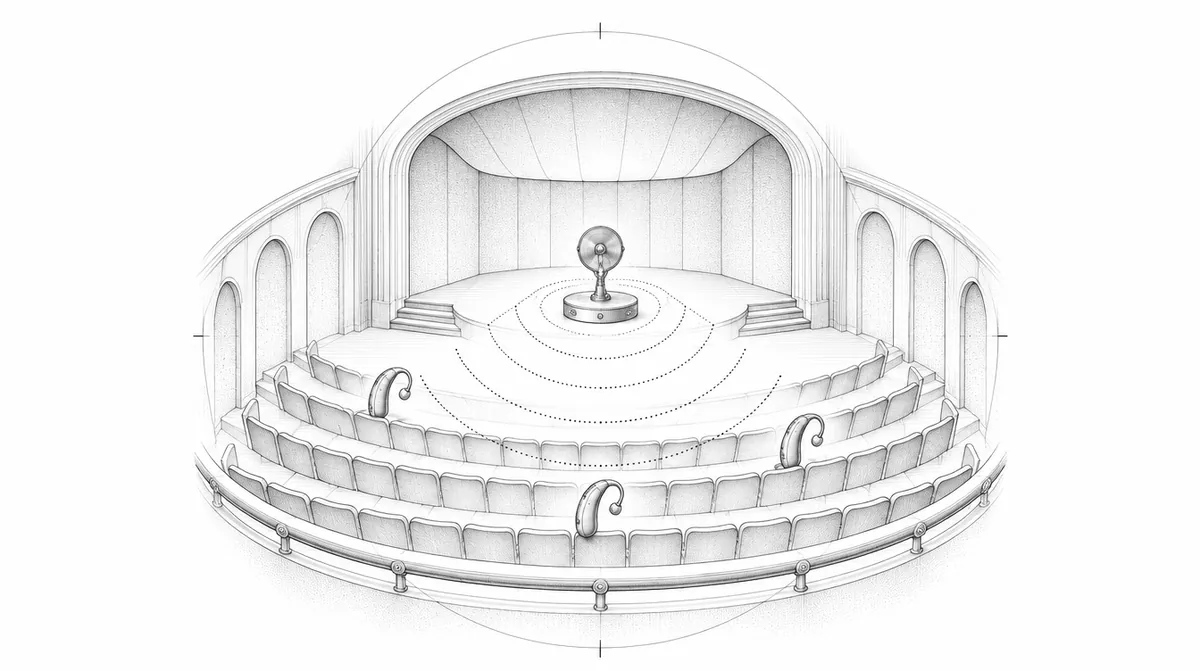
On 22 October, the Bluetooth SIG reported that all five of the largest hearing-aid makers now offered at least one Auracast model. Sonova, Demant, GN, WS Audiology and Starkey together account for about 90% of the global hearing-aid market, according to the SIG. The figure describes those manufacturers’ market share. It says little about how many aids already in people’s ears can receive a broadcast.
A venue routes the programme to a transmitter. Many compatible hearing aids or earbuds can receive the same transmission. Stadium Taranaki and Christchurch’s Isaac Theatre Royal are among the SIG’s New Zealand examples. At the box office the practical question is how a first-time visitor finds and joins the right programme before the lights go down.
ADAM Audio introduces an open-back studio headphone.
The H715 Reference pairs 150-ohm drivers with a Sonnox-developed utility that provides model-specific calibration profiles and adjustable crossfeed. Its bundled macOS monitoring app can apply that calibration across sources, including when comparing a DAW mix with a reference outside the session.
SoundGirls opens ten conference places to disabled audio workers.
The Audio Accessibility Alliance and SoundGirls announced ten full scholarships to the SoundGirls virtual conference for disabled audio engineers, students and people entering the profession. The two-day programme includes live sound, post-production and studio recording.
If you have installed Auracast in a venue, how does a first-time visitor find the correct channel from their seat?